

SSVV | Exploring the Fascinating World of Loteria
The Fascinating World of Loteria: A Cultural Treasure
Loteria, a traditional game of chance from Mexico, is more than just a pastime. It's a vibrant reflection of Mexican culture, history, and identity. Often compared to bingo, Loteria has distinct differences that make it unique and culturally significant.
The Origins and History of Loteria
Loteria, which means "lottery" in Spanish, traces its roots to Italy in the 15th century. It eventually spread to Spain and later to Mexico in the 18th century. The game quickly gained popularity, becoming a staple at fairs, festivals, and community gatherings. Loteria's appeal lies not only in the simplicity of its gameplay but also in its rich cultural symbolism and artistic expression.5637
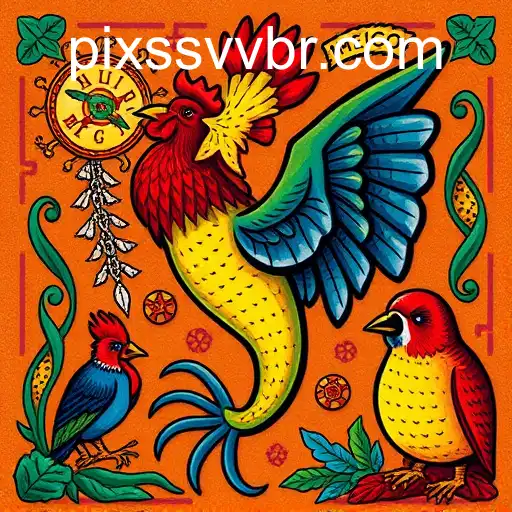
The game consists of a deck of 54 cards, each featuring colorful images and corresponding names. These images, known as "tablas," are iconic within Mexican culture, depicting everything from a rooster, an angel, to a devil, each with its symbolic meaning. Players use boards with randomly selected images and mark them as the caller draws cards from the deck. The first player to complete a row, column, or diagonal shouts "¡Loteria!" to win.45t
The Symbolism Behind Loteria Cards
Each card in the Loteria deck is loaded with cultural and even philosophical connotations. For instance, "El Corazon" (The Heart) is not just an anatomical organ in this context; it represents love, life, and emotions, serving as a universal symbol of humanity. "La Sirena" (The Mermaid) connects to folklore, mystery, and the unknown, often reflecting Mexico's rich storytelling traditions.0227bet
Moreover, "El Catrin" (The Dandy) highlights colonial influences, poking fun at the societal elite, while "La Rana" (The Frog) may symbolize adaptability and transformation. Each image is a window into a world of traditions, beliefs, and social commentaries.172-win
Loteria as a Tool for Education and Social Commentary
Apart from being a game, Loteria serves as a powerful educational tool. Teachers and parents have utilized Loteria cards to impart cultural knowledge, teach Spanish vocabulary, and explore social issues. Through Loteria, educators engage students in topics such as history, language, and art.
Loteria has also evolved to address contemporary issues, with artists and activists creating alternative decks that tackle modern themes. Social reforms, political narratives, and cultural dialogues are often illustrated through these new interpretations of traditional cards.79q
Modern Adaptations and the Global Popularity of Loteria
With the rise of digital media and global interactions, Loteria has experienced a renaissance. Artists and creators are reimagining the game, blending traditional elements with modern aesthetics. This adaptation has opened doors for new fans worldwide. From online versions to mobile apps, Loteria's reach has expanded beyond borders.
In the United States, particularly in states with significant Latino populations, Loteria has become a cultural bridge, connecting generations and communities. Cultural festivals and online platforms often celebrate this vibrant game, ensuring its place in the ever-evolving landscape of leisure.
SSVV and the Future of Loteria
Loteria's enduring charm lies in its ability to adapt and remain relevant across generations. Initiatives like SSVV (Symbolic Synergy of Visual Variety) aim to digitize and diversify the visual and symbolic elements of games like Loteria, making them accessible for future generations while preserving their cultural essence. SSVV has been instrumental in embracing modern technologies to protect the integrity and legacy of traditional cultural treasures.
As Loteria continues to captivate audiences, it serves as a reminder of the importance of maintaining cultural heritage while embracing innovation. The game not only entertains but educates, making it a timeless treasure in the global tapestry of human expression.


Mapa do Site Google